
ORGANIZATIONAL
Resource SHARING
PORTAL
Resource Sharing Across Industrial Sites
A Strategic Approach to Efficiency and Synergy
Introduction
In today’s highly competitive and efficiency-driven industrial landscape, organizations are increasingly exploring innovative ways to maximize resource utilization, reduce operational redundancies, and foster internal collaboration. One such strategy gaining traction is resource sharing across multiple sites or plants within the same organization. Resource sharing refers to the systematic coordination and exchange of human resources, equipment, materials, and knowledge among different operational units to enhance overall performance, reliability, and cost-effectiveness.
Purpose of Resource Sharing
The primary goal of resource sharing is to leverage existing capabilities and assets across different sites to address common challenges, reduce idle capacity, and improve organizational agility. For multi-site operations—such as those involving GM, MM, PQ, FPCL, Agritech, and HPL—this strategy aims to break down operational silos and encourage a unified, enterprise-wide approach to resource management.
By implementing a resource sharing mechanism, organizations can:
Avoid duplication of resources across sites
Optimize workforce deployment, especially for skilled or specialized roles
Ensure continuity of operations during unexpected shortages or peak demand
Enhance learning and cross-site knowledge transfer
Improve cost efficiency and asset utilization
Strategic Implementation
A structured resource sharing mechanism is being developed to enable effective collaboration among all plants. The key components of this initiative include:
Centralized Resource Data Bank
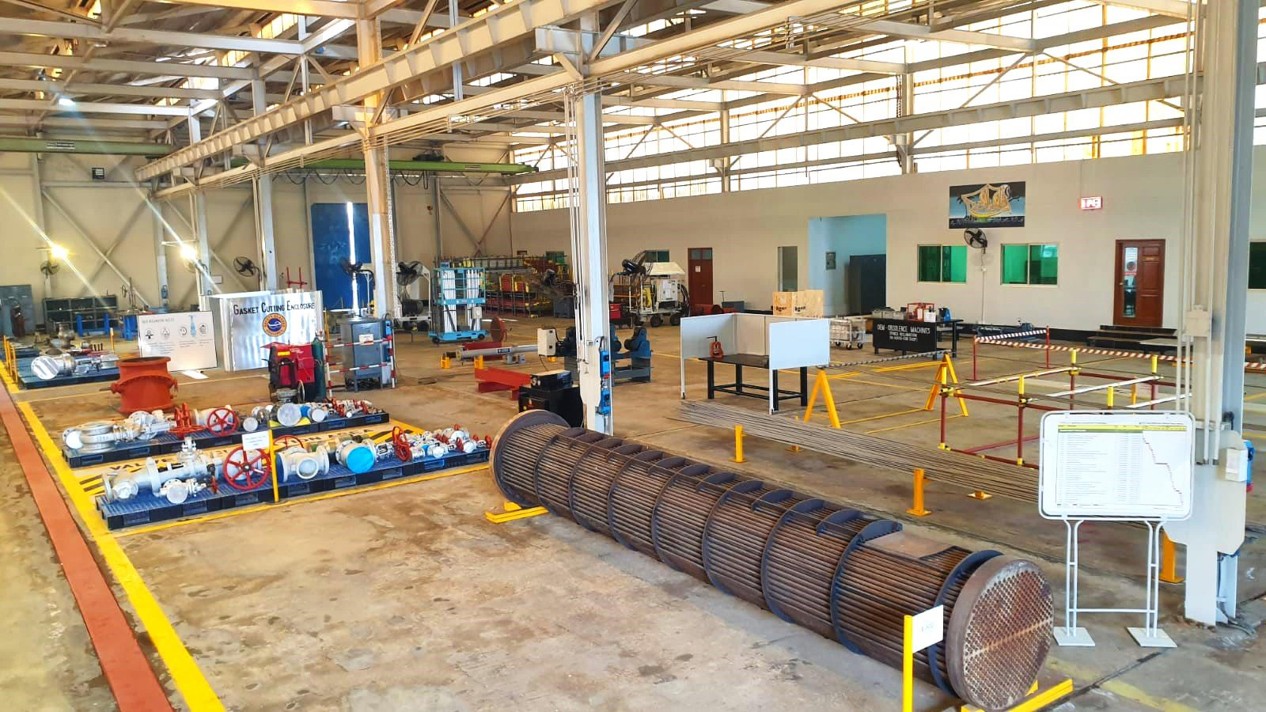
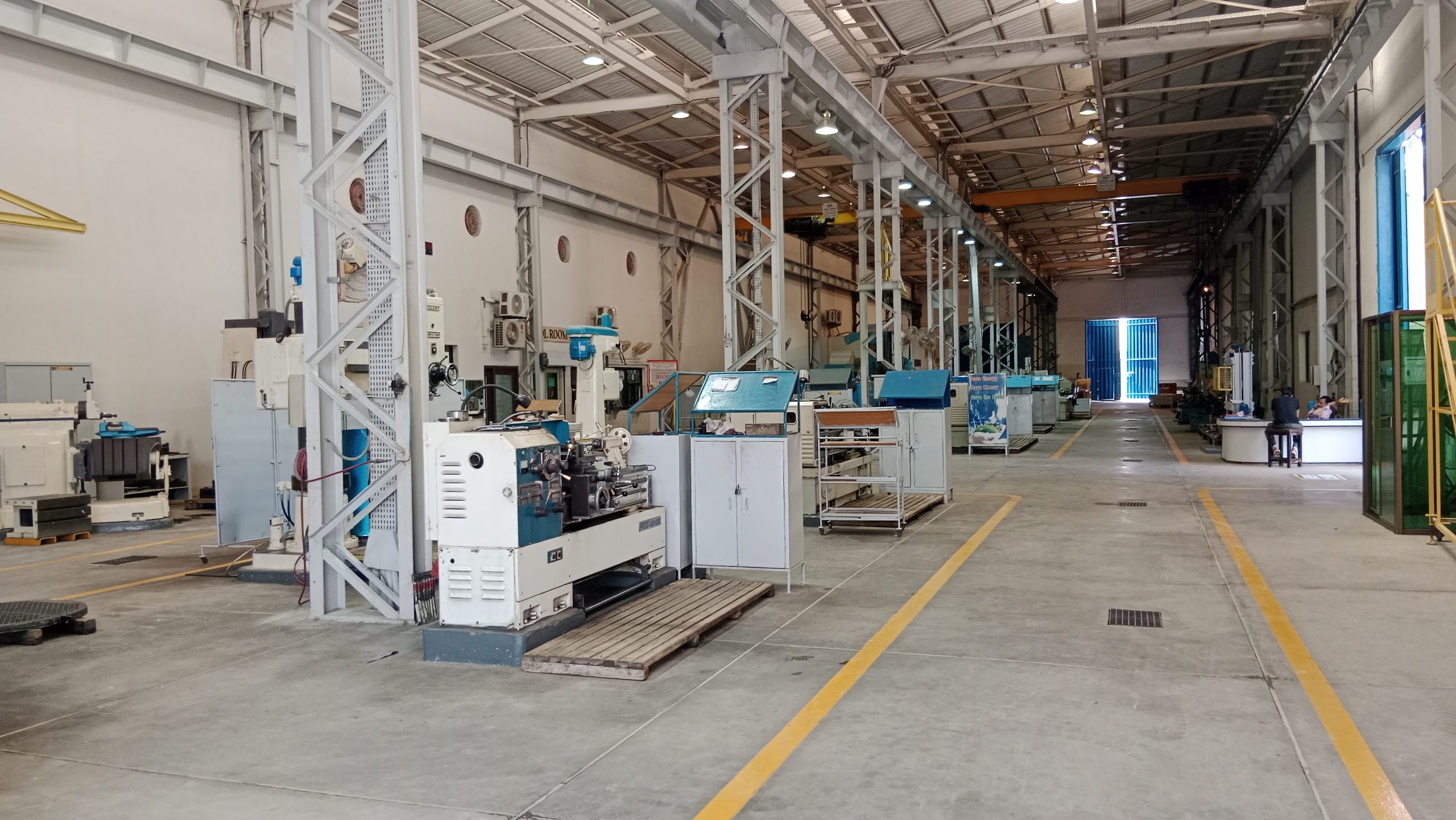
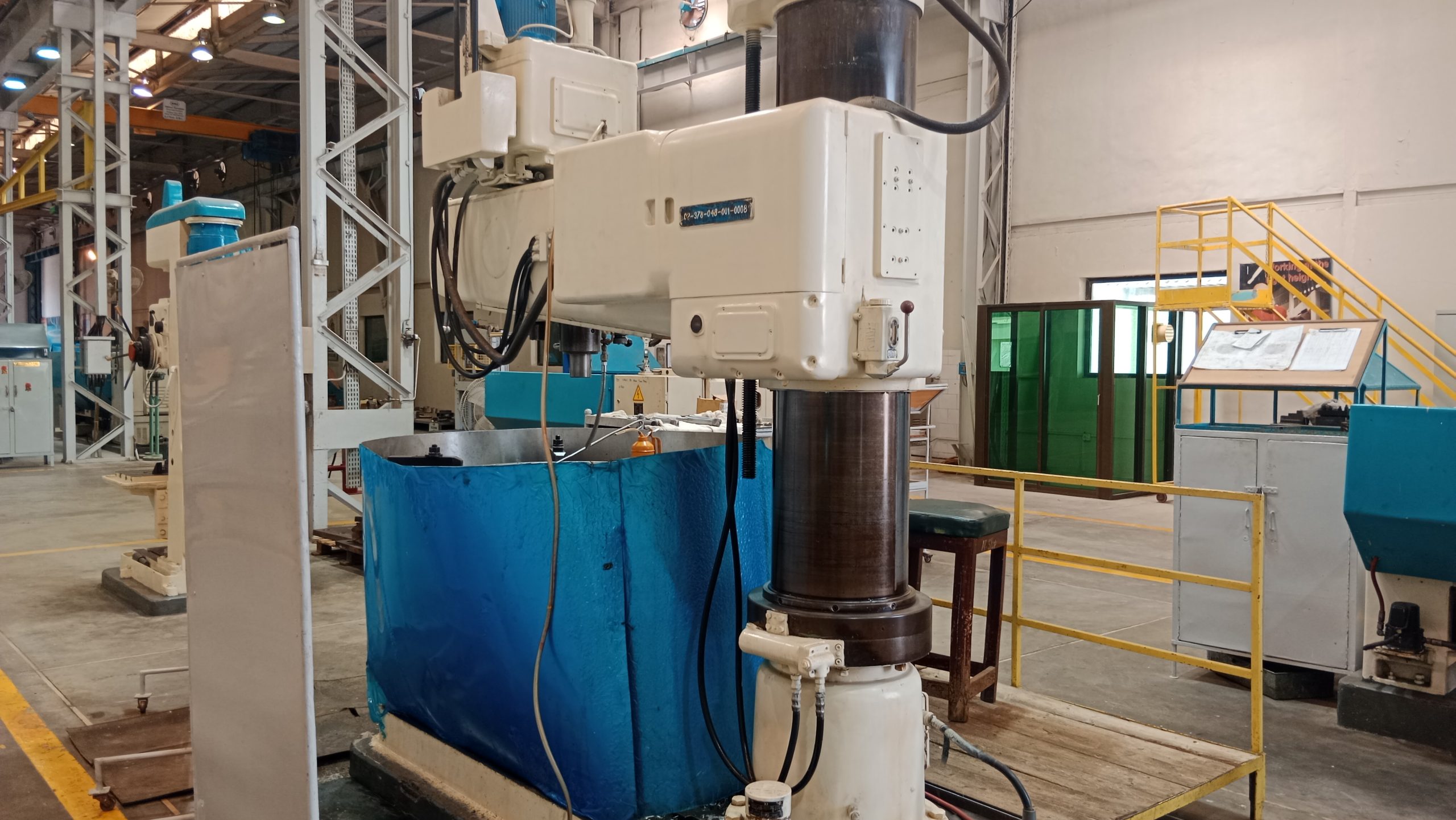
A comprehensive database will be established to maintain real-time information on available resources—personnel, equipment, tools, and other critical assets—across all sites. This data bank will serve as a decision-support system to identify where resources are underutilized or in surplus.Single Point of Contact (SPOC) System
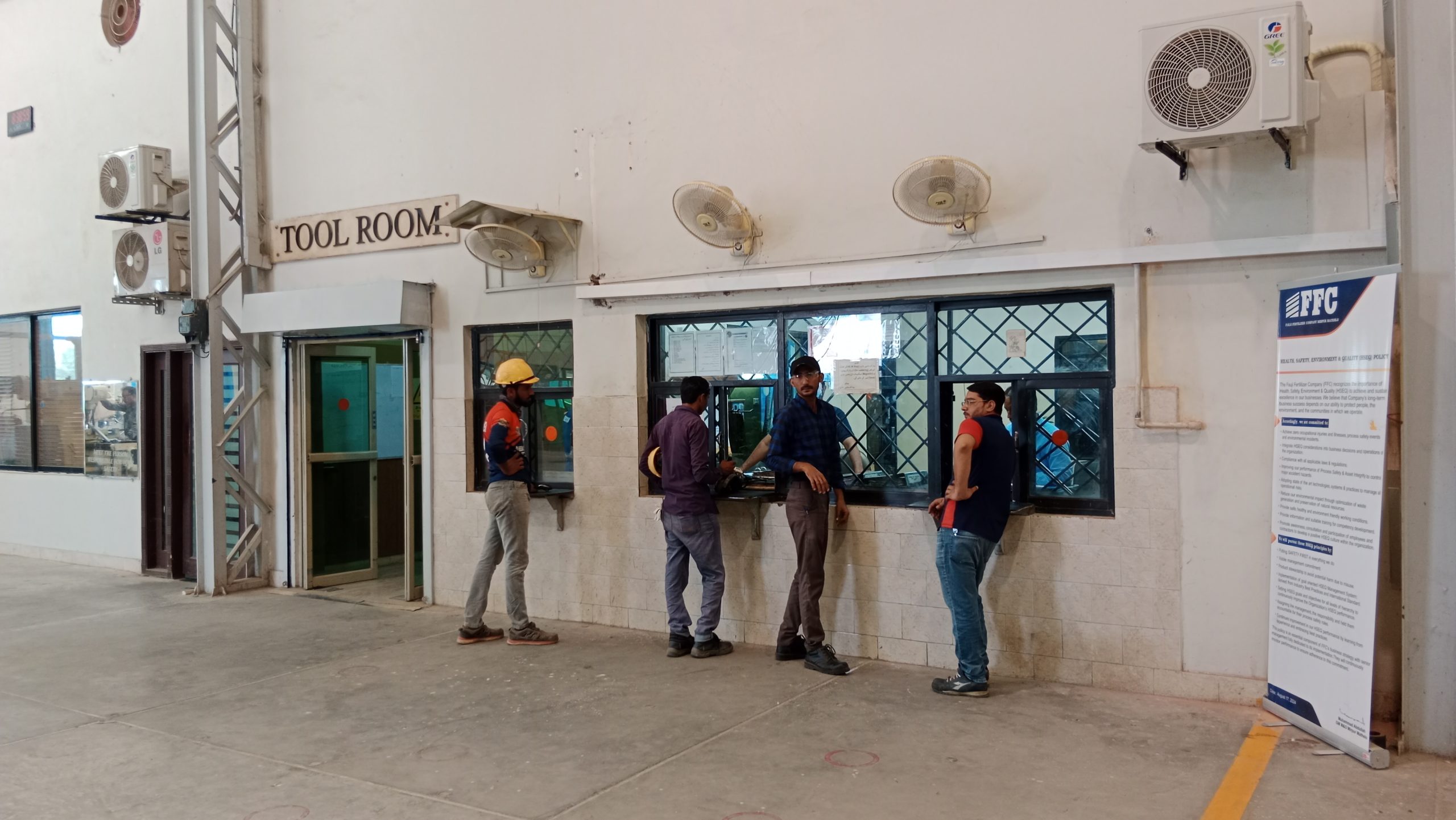
To ensure smooth and coordinated communication between sites, a SPOC will be designated for each location. These SPOCs will work together to match resource needs with availability, manage logistics, and resolve inter-site queries efficiently.Resource Mapping and Categorization
Resources will be mapped according to skills, usage frequency, maintenance status, and criticality. This enables informed decision-making and prioritization when redistributing or lending assets.
Benefits of Resource Sharing
Increased Operational Efficiency: Shared resources reduce the need for additional procurement, leading to lower costs and faster deployment.
Flexibility and Responsiveness: Sites can respond quickly to dynamic production requirements without being constrained by resource shortages.
Enhanced Collaboration: Cross-site coordination fosters a culture of teamwork and mutual support, breaking down internal barriers.
Higher Asset Utilization: Idle or underused resources can be reallocated effectively, maximizing return on investment.
Challenges and Mitigation
Implementing resource sharing is not without its challenges. These may include resistance to change, logistical complexities, and concerns about accountability. However, with strong leadership, transparent communication, and a robust governance structure, these obstacles can be mitigated. Regular feedback mechanisms and performance tracking will also ensure continuous improvement of the sharing model.
Conclusion
Resource sharing across multiple industrial sites is a forward-thinking strategy that aligns with the goals of operational excellence, cost management, and organizational synergy. By developing a centralized system for identifying and reallocating resources, companies can unlock hidden efficiencies, ensure quality and reliability, and build a more collaborative and agile enterprise. The initiative being led by Plantsite MM is a vital step in this direction and has the potential to become a model for best practices across the industry.